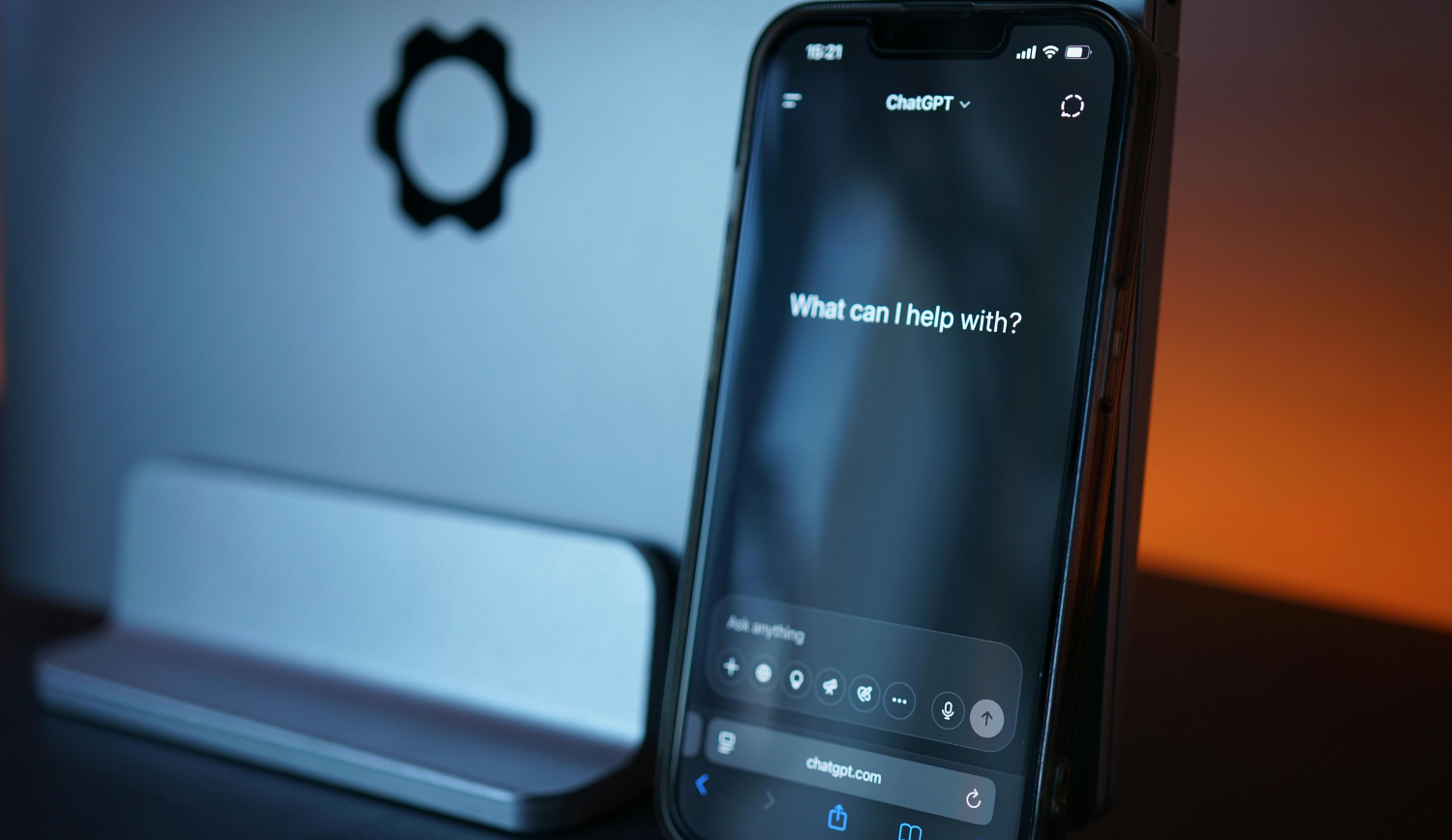
To get cited by ChatGPT, Perplexity, and Google AI Overviews, issuers must publish clearly-structured, entity-explicit, data-backed content that directly answers the questions investors ask — and mark it up with schema so AI systems can parse it. Answer Engine Optimization (AEO) is becoming as important as traditional SEO for raising capital online.
Investors increasingly research offerings by asking an AI rather than scrolling search results. When someone asks "what's the best way to raise from accredited investors?" or "is this company a real business?", the AI synthesizes an answer from sources it trusts. If your content isn't structured for that, you're invisible at the exact moment of consideration.
How AI answer engines choose sources
While each system differs, they share selection criteria. They favor content that is:
- Directly answer-shaped — a clear, concise response near the top of the page.
- Entity-clear — unambiguous about who you are and what you do.
- Structured — headings, lists, and tables the model can parse.
- Corroborated — consistent with what other trusted sources say about you.
- Fresh and specific — original data beats generic restatement.
The AEO playbook for issuers
1. Lead with the answer
Open every key page with a 40–55 word direct answer to the question it targets. AI systems extract these cleanly. (This very article does it — the bolded opening is the snippet.)
2. Make your entity unambiguous
Use consistent name, description, and service language everywhere — your site, Crunchbase, LinkedIn, and directories. Implement Organization schema with a stable identifier and a knowsAbout list so engines can map you to topics like equity crowdfunding and investor acquisition.
| AEO factor | What to do | Why it matters |
|---|---|---|
| Direct answers | 40–55 word lead per page | Becomes the cited snippet |
| Schema markup | Organization, FAQ, Article | Machine-readable meaning |
| Entity consistency | Same facts across the web | Builds trust/corroboration |
| Original data | Publish your own numbers | Unique, citable, fresh |
| FAQ structure | Question + concise answer | Matches conversational queries |
3. Publish original data
AI engines love numbers they can't find elsewhere. Our benchmark report exists partly for this reason — original data gets cited and linked.
4. Structure for conversational queries
Real investor questions are conversational ("how much does a Reg-A+ raise cost?"). Mirror that phrasing in headings and FAQ sections so your content maps directly onto prompts.
Pro tip: Don't block AI crawlers in your robots.txt. GPTBot, ClaudeBot, PerplexityBot and Google-Extended need access to cite you. Allowing them is the price of admission to AI search.
5. Add FAQ and Article schema
Structured FAQ markup helps engines pull clean question-answer pairs. Every page targeting investor questions should include it.
AEO and compliance
The same care that keeps you SEC-compliant helps AEO: factual, specific, non-promissory language is exactly what AI engines trust most. Avoid hype and projected returns — they hurt both compliance and credibility. Our investor acquisition team builds AEO-ready, audit-ready content.
Frequently Asked Questions
What is Answer Engine Optimization (AEO)?
AEO is the practice of structuring content so AI answer engines like ChatGPT, Perplexity, and Google AI Overviews can understand and cite it. It emphasizes direct answers, schema markup, entity clarity, and original data over traditional keyword tactics.
How do I get my company cited by ChatGPT or Perplexity?
Publish clearly-structured content that directly answers investor questions, lead each page with a concise 40–55 word answer, add Organization and FAQ schema, keep your entity facts consistent across the web, and publish original data that engines can uniquely cite.
Should I allow AI crawlers like GPTBot and ClaudeBot?
Yes. To be cited by AI answer engines, you must allow their crawlers (GPTBot, ClaudeBot, PerplexityBot, Google-Extended) in your robots.txt. Blocking them removes you from AI-generated answers entirely.
Is AEO different from SEO?
They overlap but differ. SEO optimizes for ranking in search result lists; AEO optimizes for being the synthesized answer in AI engines. AEO leans more on direct answers, structured data, and entity authority. Both matter for issuers in 2026.
_1779289348093-Czx7RDKv.png)

_1779290017234-VXHN2APb.png)